

Knowing how to match pendant with different chains helps you create a necklace that looks balanced, feels comfortable, and suits different occasions. The right combination depends on the pendant’s size, weight, design, and the chain’s length, thickness, and style. By understanding these details, you can refresh your jewellery collection without making every necklace look the same.
Why Does the Right Chain Matter for a Pendant?
Understanding how to match pendant with different chains starts with recognising that a chain does more than hold a pendant. Its design and thickness influence how the pendant hangs, how noticeable it looks, and whether the necklace appears delicate or bold.
When choosing a chain, consider three important factors:
- Visual balance: A delicate pendant usually pairs well with a fine chain, while a larger design may need a more substantial chain.
- Practical support: The chain should be suitable for the pendant’s weight and intended frequency of wear.
- Personal style: A simple chain creates a minimalist look, while a textured or decorative chain can make the necklace more noticeable.
The goal is to complement the pendant rather than let the chain compete with it.
How to Match Pendant with Different Chains: Compare Popular Styles
When learning how to match pendant with different chains, consider how each chain design changes the overall appearance of your necklace. The same pendant can look understated with a fine cable chain or more distinctive when paired with a textured rope chain.
| Chain type | Best pendant pairing | Overall look |
|---|---|---|
| Cable chain | Small diamond or solitaire pendant | Classic and versatile |
| Box chain | Geometric or structured pendant | Clean and contemporary |
| Rope chain | Simple gold or diamond pendant | Textured and noticeable |
| Curb chain | Bold medallion or statement pendant | Strong and modern |
| Snake chain | Sleek, lightweight pendant with a compatible bail | Smooth and refined |
| Figaro chain | Simple charm or distinctive pendant | Decorative and casual |
These are general styling suggestions rather than strict rules. The pendant’s attachment point, weight, and dimensions can affect which chain is suitable.
Cable Chains for Everyday Pendants
Cable chains feature individual links connected in a straightforward pattern. Their understated appearance makes them a versatile option for small diamond pendants, initials, and simple gemstone designs.
Choose a cable chain when you want the pendant to remain the main focal point. It can work particularly well with everyday outfits because the chain does not add too much visual detail.
Box and Rope Chains for Different Looks
Box chains have a structured appearance that complements geometric pendants and contemporary designs. Rope chains, by comparison, have a twisted texture that adds visual interest even when the pendant itself is simple.
When deciding between them, consider whether you want the pendant to stand out on its own or form part of a more noticeable necklace design.
How to Match Chain Length and Pendant Size
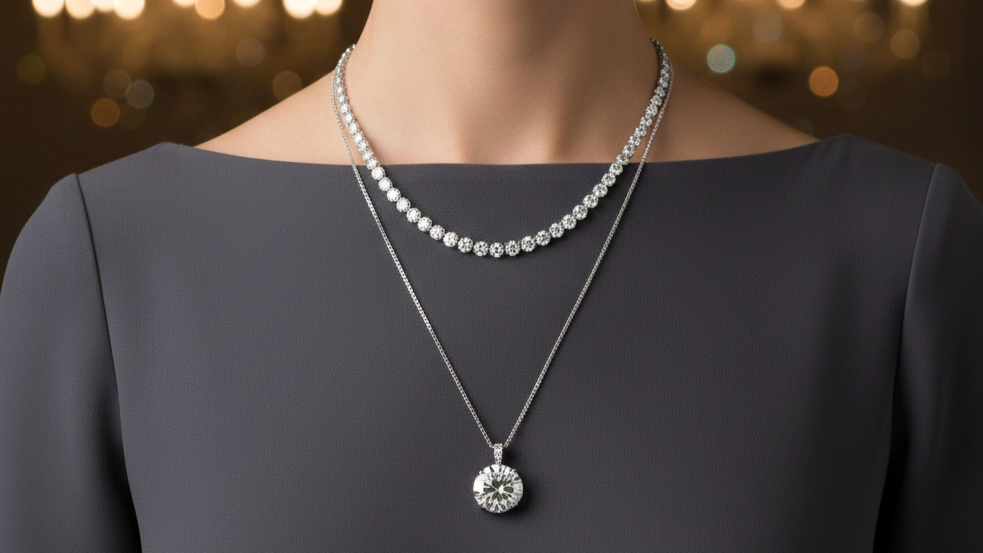
Chain length affects where a pendant rests on the chest and how it works with different necklines. A suitable length should allow the pendant to sit comfortably without becoming hidden by clothing or competing with other necklaces.
| Approximate chain length | Typical placement | Suitable styling |
|---|---|---|
| 16 inches (40.5 cm) | Around the base of the neck | High necklines and delicate pendants |
| 18 inches (45.7 cm) | Around the collarbone | Everyday wear and classic pendant necklaces |
| 20 inches (50.8 cm) | Slightly below the collarbone | Casual outfits and layered looks |
| 24 inches (61 cm) | Lower on the chest | Longer silhouettes and statement pendants |
These placements are approximate. Neck size, body proportions, pendant dimensions, and neckline design can change how a necklace sits. Necklace sizing guides from jewellery retailers, including Tiffany & Co., also illustrate how chain lengths affect the final look.
Before selecting a chain, consider the pendant’s dimensions as well. Our guide to choosing the right pendant size explains how pendant proportions influence the overall appearance of a necklace.
How Thick Should a Chain Be for a Pendant?
An important part of how to match pendant with different chains is choosing a thickness that balances appearance and support. A fine chain may complement a small pendant, while a heavier design may require a sturdier chain to support its weight safely.
Use these general guidelines when comparing options:
- Small, lightweight pendants: Consider a fine chain that keeps the pendant visually prominent.
- Medium pendants: Choose a chain with enough presence to balance the pendant without overwhelming it.
- Large or heavier pendants: Prioritise chain construction, secure links, and a suitable clasp over appearance alone.
Always check the chain’s specifications and the pendant’s weight rather than relying only on visual estimates.
Should Your Pendant and Chain Be the Same Metal?
Matching metals creates a coordinated, traditional look, but combining different metal colours can also be stylish. The right choice depends on the pendant design and the appearance you want to achieve.
Matching Metal Colours
Pairing a yellow gold pendant with a yellow gold chain creates a consistent finish. Similarly, a white gold pendant paired with a compatible white metal chain gives the necklace a clean, understated appearance.
This approach is useful when the pendant features diamonds or intricate details that you want to keep as the main focus.
Mixing Metal Colours
Mixing metals can introduce contrast and give a necklace a more contemporary feel. For example, a white-metal pendant on a yellow gold chain can create a noticeable difference in colour.
Before mixing metals, check the jewellery’s materials, construction, and care requirements. The chain must still fit the pendant correctly and provide suitable support.
How to Match Pendant with Different Chains: Five Practical Steps
Follow these steps to find a combination that works visually and practically.
- Identify the pendant’s size and weight. A lightweight diamond pendant has different requirements from a large gemstone or solid gold design.
- Check the bail opening. Make sure both the chain and its clasp can pass through the pendant’s attachment point without forcing them.
- Choose a suitable chain style. Use a simple design for a subtle appearance or a more textured chain when you want additional visual interest.
- Select the chain length. Consider your neckline, desired pendant placement, and whether you plan to layer necklaces.
- Check the finished combination. Make sure the pendant hangs naturally, the chain does not look overwhelmed, and the clasp and links appear suitable for the pendant’s weight.
This example illustrates a styling option, not a universal rule. The best result depends on the individual pendant and the wearer’s preferences.
More Tips on How to Match Pendant with Different Chains
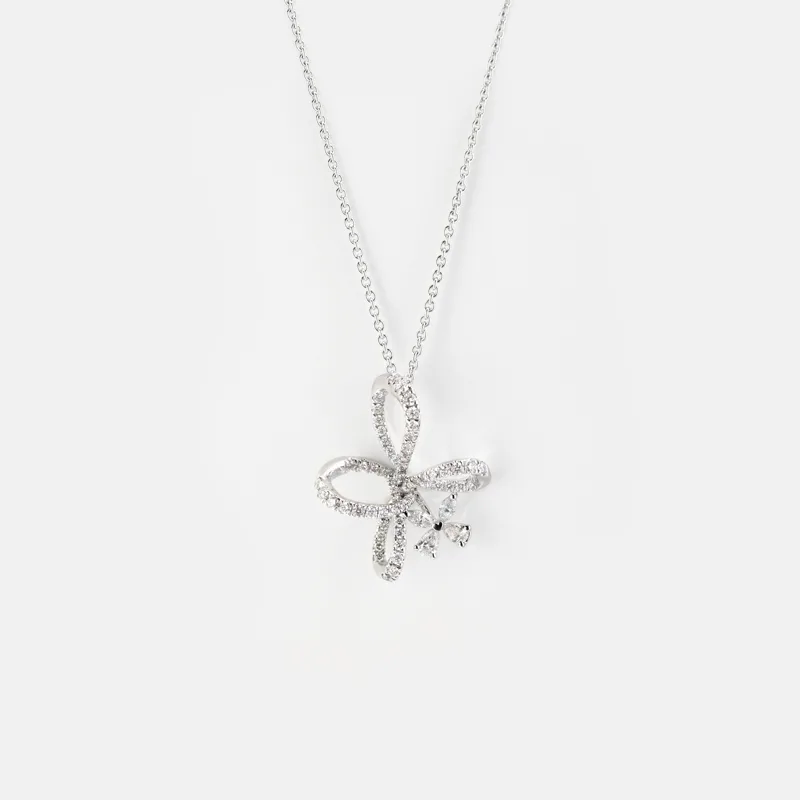
Understanding how to match pendant with different chains becomes easier when you consider the pendant’s shape and overall design. A round diamond pendant often pairs well with a simple cable chain, while a geometric pendant may complement a structured box chain. The aim is to create a balanced look without distracting from the pendant itself.
Another important factor in how to match pendant with different chains is the jewellery you already own. If you frequently wear gold necklaces, choosing a compatible gold chain can help your pendant blend naturally into your everyday style. Alternatively, a contrasting chain can make the pendant stand out.
Finally, consider comfort and durability when deciding how to match pendant with different chains for regular use. Check the chain’s thickness, clasp, and compatibility with the pendant’s bail before wearing them together. These details help ensure the necklace looks coordinated and remains practical for everyday wear.
Explore Pendant Styles at Aary Jewellery
Finding the right combination starts with understanding the design you want to wear. A delicate diamond pendant, a geometric piece, and a bold gemstone design may each work best with a different chain style.
Aary Jewellery offers jewellery designs that can help you explore different looks, from understated elegance to more distinctive pieces. When browsing the Aary Jewellery pendant collection, consider the pendant’s shape, dimensions, attachment point, and how you would like to style it with your existing chains.
Choosing Chains for Different Pendant Occasions
Knowing how to match pendant with different chains also depends on where you plan to wear the necklace. For everyday outfits, a simple cable chain paired with a small pendant creates a subtle look that works well with casual clothing and office wear. For formal occasions, a more distinctive chain can complement a statement pendant without making the overall style appear too busy.
When considering how to match pendant with different chains for layering, choose different chain lengths to help each necklace remain visible. For example, a shorter chain with a small diamond pendant can sit above a longer necklace with a simple charm. Keep the designs coordinated through similar metal tones or complementary shapes.
The most suitable combination balances appearance with practicality. When deciding how to match pendant with different chains, check that the chain fits the pendant’s bail, supports its weight, and feels comfortable for the intended occasion.
Conclusion: Find the Right Chain for Your Pendant
Learning how to match pendant with different chains comes down to balancing appearance, fit, and durability. Compare chain styles, check the pendant’s weight and bail opening, choose a suitable length, and decide whether matching or contrasting metals best reflects your style.
A thoughtful combination can make a familiar pendant feel new while helping you wear it comfortably for different occasions. Explore the jewellery collection at Aary Jewellery to discover designs that complement your personal style.
FAQs (Frequently Ask Questions)
Can you put any pendant on any chain?
No. The chain must fit through the pendant’s bail, and its construction should be suitable for the pendant’s weight. Check the clasp as well, because it may be wider than the chain itself.
What type of chain is best for a pendant?
Cable and box chains are versatile options for many pendant styles. The best choice depends on the pendant’s weight, bail opening, design, and how frequently you plan to wear it.
Should a pendant chain be thin or thick?
A fine chain often complements a small pendant, while a larger or heavier pendant may need a sturdier chain. There is no single thickness that works for every design, so compare the actual measurements and weight.
Can you wear a gold pendant on a silver chain?
Yes, mixing metal colours can create a contrasting look. Make sure the combination suits your intended style and that the materials and construction are compatible.
What chain length is best for a pendant necklace?
An 18-inch chain is a common starting point for a pendant worn around the collarbone. However, the ideal length depends on your neck size, pendant dimensions, clothing neckline, and preferred placement.