
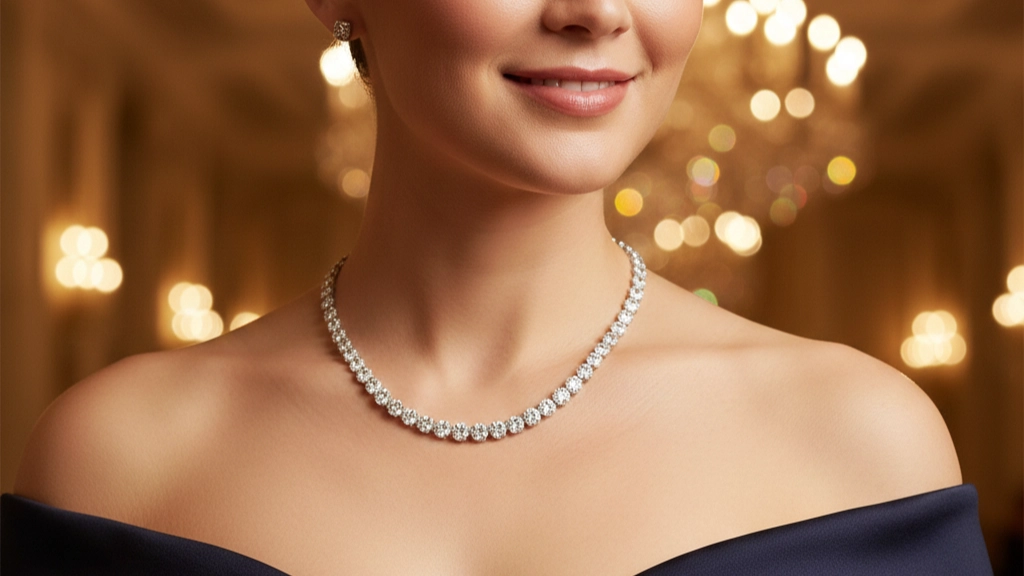
Choosing the right diamond shape for necklaces can change the entire look of a piece. A round diamond pendant feels very different from an elongated oval, while a pear-shaped diamond can create movement and draw the eye downward along the neckline.
The best choice depends on more than which shape looks attractive on its own. Necklace length, setting, personal style and the occasions you plan to wear it all play a part in finding a diamond pendant that feels right.
Why Diamond Shape Matters in a Necklace
The diamond shape affects the personality, proportions and visual impact of a necklace. Because a pendant sits at the centre of the chest or near the collarbone, its outline can be more noticeable than some other jewellery details.
A few factors are worth considering:
- How large or prominent you want the diamond to appear
- Whether you prefer a classic or distinctive look
- Your usual neckline and clothing style
- Whether the necklace is for daily wear or special occasions
- The metal and setting surrounding the diamond
In our experience at Aary Jewellery, clients often arrive with a particular diamond shape in mind, then change their preference after seeing how different pendants sit against the neckline. A diamond may look beautiful in a display tray but create a different impression once it is actually worn.
Understanding Diamond Shape and Diamond Cut
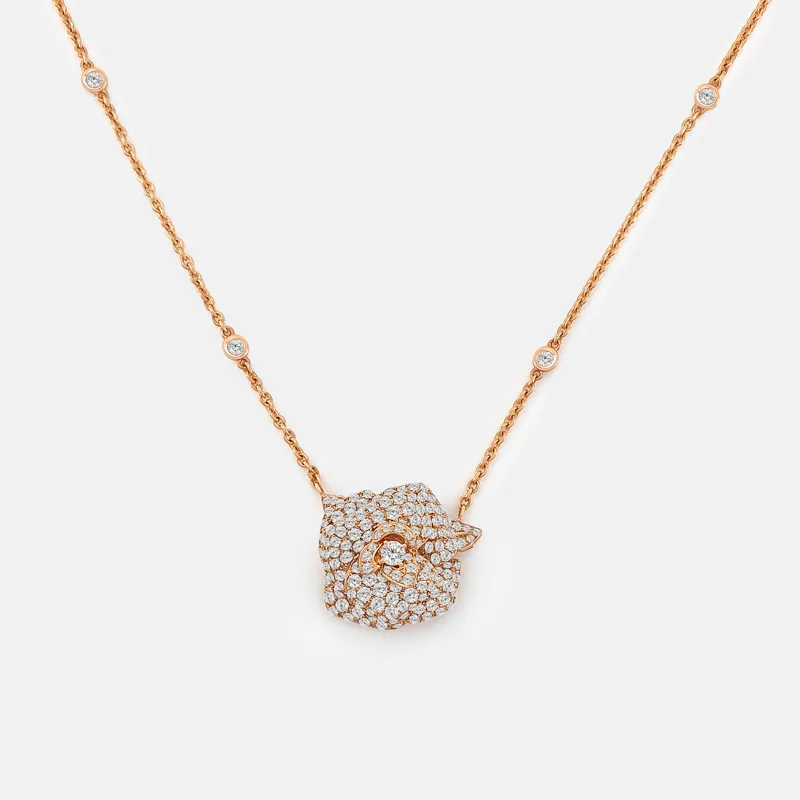
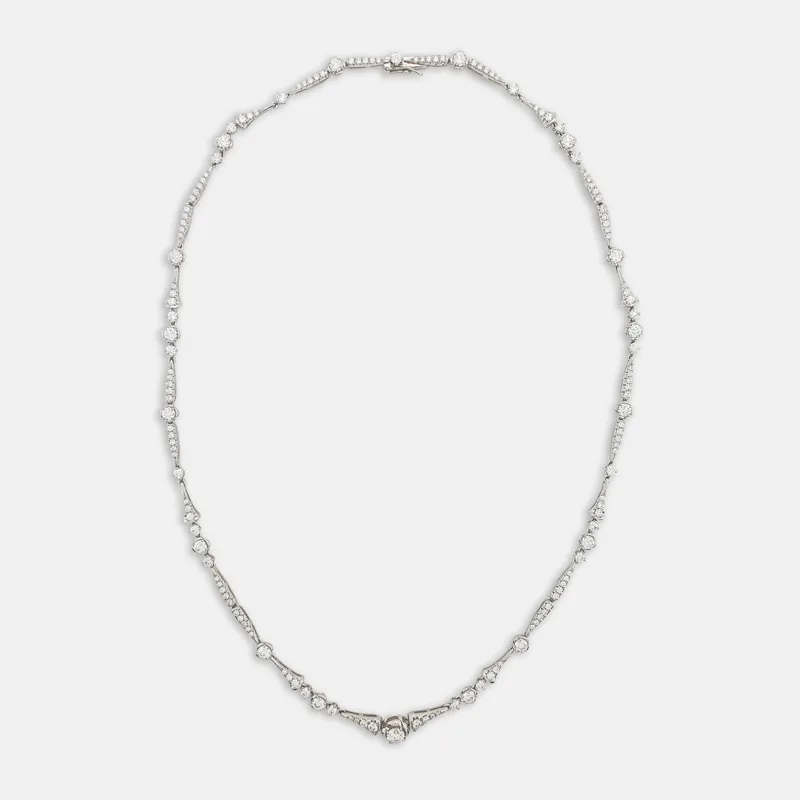
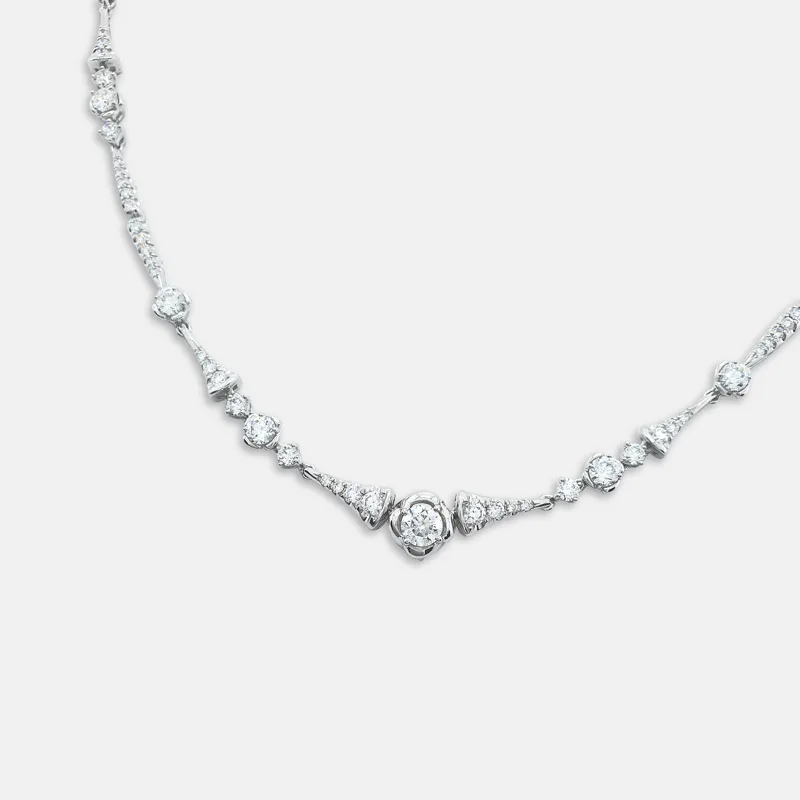
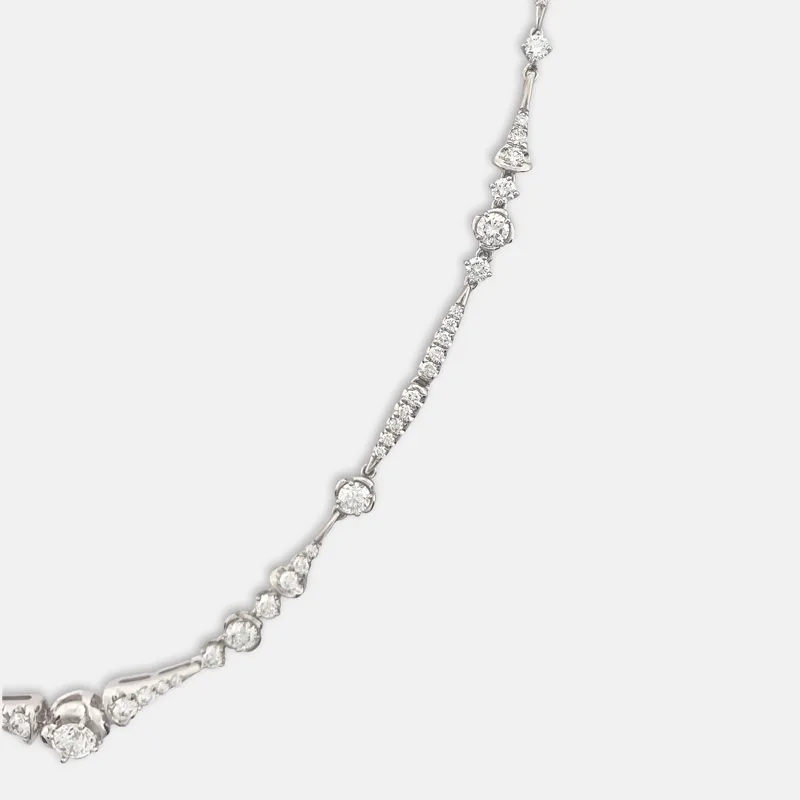
Diamond shape and cut are related, but they are not the same thing. Shape refers to the diamond’s outline, such as round, oval, pear or emerald, while cut describes how the diamond’s proportions and facets interact with light.
The Gemological Institute of America (GIA) explains that cut influences characteristics such as brightness, fire and scintillation. This is why two diamonds of similar size can have noticeably different visual performance.
A useful statistic to keep in mind is that a standard round brilliant diamond typically has 57 or 58 facets, depending on whether the culet is included. The arrangement of these facets is part of what gives the round brilliant its familiar sparkle.
Comparing Popular Diamond Shapes for Necklaces
Each diamond shape creates its own visual effect. Some are easy to wear with almost anything, while others make a stronger statement.
| Diamond Shape | Overall Look | Best For |
|---|---|---|
| Round Brilliant | Classic and bright | Everyday wear and timeless gifts |
| Oval | Elegant and elongated | Soft, refined styles |
| Pear | Distinctive and graceful | Statement pendants |
| Emerald | Clean and sophisticated | Minimalist jewellery |
| Cushion | Soft and romantic | Vintage-inspired designs |
| Heart | Personal and expressive | Gifts and sentimental jewellery |
Once you have a better idea of which diamond shape suits your style, it can help to look at different designs and see how each shape is used in a finished piece. You can explore Aary Jewellery’s diamond collections for inspiration and compare styles that may suit your everyday or special-occasion jewellery.
Round Brilliant: The Classic Choice
A round brilliant is one of the safest choices when looking for a versatile diamond pendant. Its symmetrical shape works with simple solitaire settings as well as more decorative designs.
Because of its established cut structure and strong light performance, a round diamond can remain visually interesting even in a relatively simple necklace.
It is particularly suitable if you want something that can be worn with:
- Casual clothing
- Office outfits
- Evening wear
- Other diamond jewellery
For many people, this makes the round brilliant an easy starting point when comparing diamond shapes.
Oval: Elegant Without Being Too Traditional
An oval diamond offers an elongated silhouette that can make a pendant feel slightly more distinctive than a round stone. It retains a soft, balanced appearance while introducing a little more personality.
Oval diamonds work particularly well in solitaire pendants because the shape itself provides visual interest without needing a complicated setting.
Pear Shape: A More Expressive Pendant
Pear-shaped diamonds combine a rounded end with a pointed tip. Depending on the orientation, the diamond can create a completely different visual effect.
When worn with the point facing downward, the pendant can create a graceful, elongated line. When reversed, the design may feel softer or more unusual.
Pear-shaped pendants are often chosen by people who want something beyond the traditional round diamond but do not necessarily want an overly elaborate necklace.
Emerald Cut: Clean and Sophisticated
The emerald cut has a rectangular shape and step-cut facets that create a different appearance from the intense sparkle of a round brilliant.
Instead of relying mainly on flashes of light, an emerald-cut diamond can emphasise clarity, structure and clean lines. This makes it particularly suitable for minimalist necklace designs.
If your jewellery style tends towards simple, architectural or understated pieces, an emerald-cut pendant may feel more natural than a highly sparkling round diamond.
Cushion Shape: Soft and Romantic
Cushion-shaped diamonds have softened corners and can sit somewhere between a square and a rounded silhouette. They are often associated with romantic and vintage-inspired jewellery.
A cushion diamond can work beautifully in a pendant with a delicate halo or a simple setting. The final appearance will depend heavily on the particular cut and proportions of the stone.
Heart Shape: A Personal Choice
Heart-shaped diamonds are naturally associated with love and sentiment. They can make a meaningful choice for anniversary gifts, birthdays or other personal milestones.
This is a shape where symmetry is particularly important. A well-proportioned heart should have a balanced outline and a clearly defined cleft at the top.
How to Choose the Right Diamond Shape for Your Necklace
The easiest way to choose is to consider the necklace as a complete piece rather than selecting the diamond first and thinking about the rest later.
1. Think About Where the Pendant Will Sit
Necklace length can influence how the diamond shape is perceived.
A shorter chain places the pendant closer to the collarbone, while a longer chain creates more space between the face and the diamond. An elongated shape such as an oval or pear can look particularly elegant on a longer pendant chain.
Try considering the clothes you normally wear. A pendant that works beautifully with a V-neck may sit differently against a high neckline.
2. Decide How Much Sparkle You Want
Some buyers want intense brilliance, while others prefer a cleaner and more understated appearance.
If sparkle is your priority, a round brilliant diamond is a strong option. If you prefer a more structured look, an emerald cut may suit you better.
The setting matters here as well. A halo can add extra diamonds and visual sparkle, while a simple solitaire allows the central stone to remain the focus.
3. Match the Shape to Your Personal Style
You do not need to follow a strict rule about which shape suits which person. Jewellery is personal.
However, these associations can be useful as a starting point:
- Classic: Round brilliant
- Elegant: Oval or pear
- Modern: Emerald or princess
- Romantic: Cushion or heart
- Minimalist: Emerald or simple round solitaire
The final choice should still be based on what you are likely to enjoy wearing for years.
A Short Real-World Example
Imagine someone shopping for a diamond necklace to mark an important anniversary.
At first, she is drawn to a large round diamond because it is familiar and easy to compare. After trying several pendants, however, she finds that an oval diamond on a simple chain feels more like her usual style. It is noticeable without looking overly formal, and the elongated shape works better with the necklaces she already wears.
She chooses the oval.
This is a good reminder that the “best” diamond shape for necklaces is not always the most popular one. The right choice is often the shape that fits naturally into the jewellery you already own.
Consider the Setting and Metal Too
The same diamond shape can look completely different depending on how it is set.
A prong setting exposes more of the diamond and can create a lighter appearance. A bezel setting surrounds the edge with metal, giving the pendant a cleaner and more contemporary feel.
The choice of metal also changes the overall character:
- White gold: Bright and contemporary
- Yellow gold: Warm and classic
- Rose gold: Soft and romantic
- Platinum: Naturally white and durable
At Aary Jewellery, diamond jewellery is considered as a complete design rather than simply a diamond attached to a chain. The relationship between the stone, setting and metal can make a significant difference to the finished piece.
Choosing a Diamond Necklace for Everyday Wear
For an everyday necklace, versatility is usually more important than making the biggest possible statement.
A round or oval diamond in a simple setting can work with many different outfits. A bezel-set pendant may also appeal to someone who prefers a slightly more protected and streamlined design.
Before deciding, it can help to think about practical questions:
- Will you wear the necklace every day?
- Do you usually layer necklaces?
- Does the pendant need to work with workwear?
- Do you prefer subtle jewellery or something more noticeable?
- Are you choosing it as a personal purchase or a gift?
If you are comparing diamond size, shape, quality and setting together, Aary Jewellery’s diamond necklace buying guide can help you understand the wider buying process before making a final decision.
Why Seeing Different Shapes in Person Helps
Photographs are useful, but they cannot always show the exact proportions of a diamond against your skin, clothing and existing jewellery.
Clients often ask us which diamond shape is the most beautiful. The honest answer is that there is no universal winner. Seeing a round, oval and pear-shaped diamond side by side can quickly reveal which one feels most natural to you.
This is especially important for a significant purchase. Aary Jewellery combines diamond expertise with fine jewellery craftsmanship, helping clients explore different diamond shapes and designs before choosing a piece that suits their style.
While photographs can give you a general idea, seeing different diamond shapes in person often makes the decision much easier. If you would like to compare the proportions and appearance of different designs, you can visit Aary Jewellery and arrange a showroom appointment to explore your options more closely.
Conclusion: Choose a Diamond Shape for Necklaces That You Will Keep Wearing
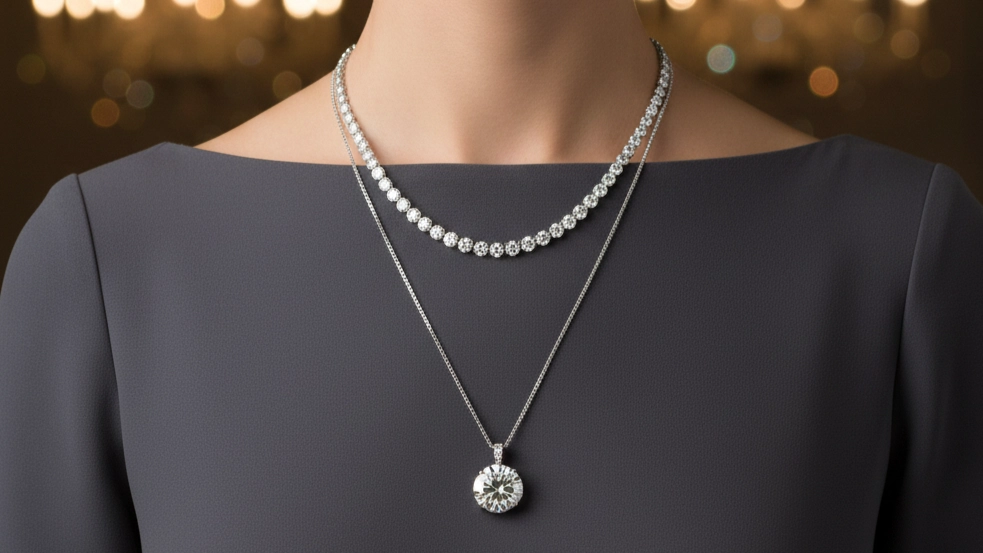
The right diamond shape for necklaces depends on the look you want to create. Round brilliant diamonds offer classic versatility, oval and pear shapes bring a more distinctive silhouette, while emerald and cushion cuts can appeal to those looking for something refined or romantic.
There is no need to choose the most popular shape simply because it is familiar. Consider the way the pendant sits, the setting, the metal and, most importantly, whether the design feels like something you will continue to wear.
Explore diamond necklaces and fine jewellery at Aary Jewellery to find a design that suits your personal style and the occasion you have in mind.
FAQs (Frequently Ask Questions)
What is the best diamond shape for a necklace?
There is no single best shape. Round brilliant diamonds are highly versatile, while oval, pear, emerald and cushion shapes offer different visual styles. The right choice depends on your personal taste and how you plan to wear the necklace.
Is a round or oval diamond better for a pendant?
A round diamond offers a classic and symmetrical appearance with strong brilliance. An oval diamond has a more elongated silhouette and can feel slightly more distinctive. Both can work beautifully as pendants.
Which diamond shape looks biggest in a necklace?
Some elongated shapes, such as oval and pear diamonds, may appear larger because of their spread and length. However, visible size depends on the individual diamond’s proportions as well as its carat weight.
Is a pear-shaped diamond good for a necklace?
Yes. A pear-shaped diamond can create an elegant pendant with a distinctive outline. Its orientation can also change the overall appearance, allowing for different design possibilities.
What diamond shape is best for an everyday necklace?
Round and oval diamonds are popular choices for everyday necklaces because they are versatile and easy to pair with different outfits. A simple setting can also help make the necklace suitable for frequent wear.