
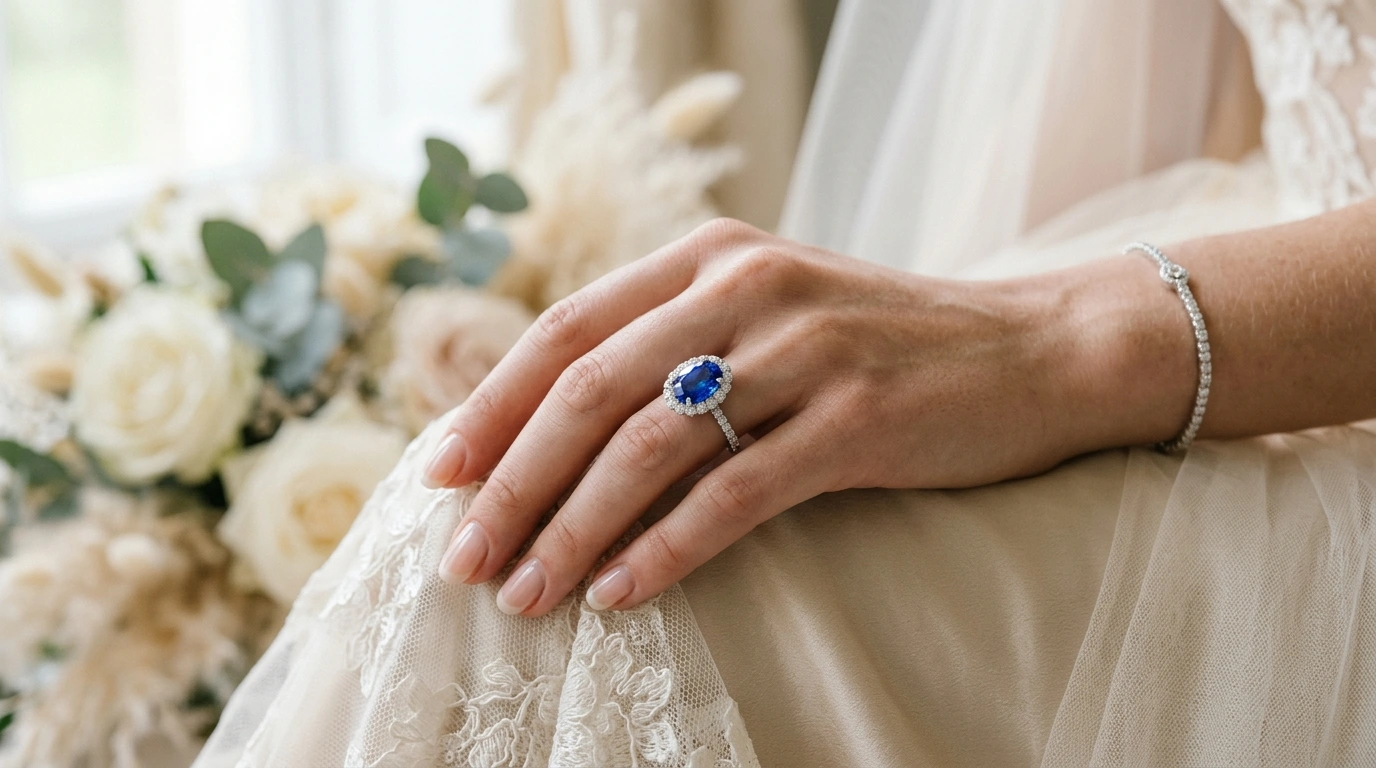
The right diamond shape for engagement ring designs depends on personal style, the setting, finger proportions, and how you want the diamond to look when worn. Round remains a classic choice, but oval, pear, cushion, emerald, marquise, and other shapes can give an engagement ring a very different character.
Before choosing one, it also helps to understand that diamond shape and diamond cut are not exactly the same thing. Shape refers to the diamond’s outline when viewed from above, while cut describes how its facets are arranged and how it interacts with light. The Gemological Institute of America (GIA) makes this distinction because a diamond’s shape alone does not tell you how well it will perform optically.
What Are the Most Popular Diamond Shapes for Engagement Rings?
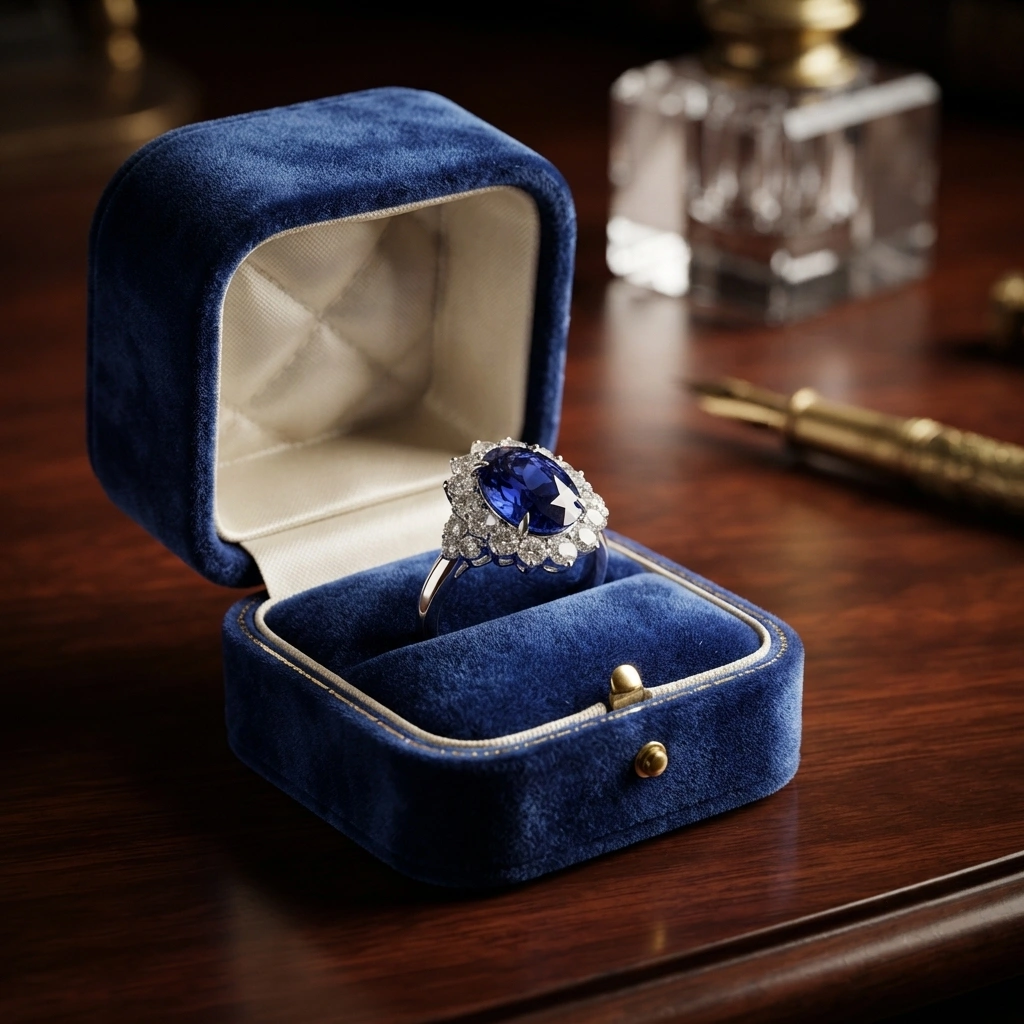
The most common choices include round, oval, princess, cushion, emerald, pear, marquise, radiant, Asscher, and heart shapes. Each has its own proportions, facet pattern, and overall appearance, so there is no single diamond shape that is best for everyone.
| Diamond shape | Overall look | Often suits |
|---|---|---|
| Round | Classic and highly brilliant | Traditional styles |
| Oval | Elegant and elongated | Modern, graceful designs |
| Princess | Square and contemporary | Clean, geometric settings |
| Cushion | Soft corners and romantic look | Vintage-inspired rings |
| Emerald | Sleek, rectangular, mirror-like | Sophisticated styles |
| Pear | Teardrop-shaped and distinctive | Romantic, individual designs |
| Marquise | Long and pointed | Dramatic, elongated look |
| Radiant | Rectangular or square with brilliant facets | Modern glamour |
| Asscher | Square with step-cut facets | Art Deco-inspired styles |
| Heart | Clearly romantic and symbolic | Personal, sentimental designs |
Round Diamond
Round is the classic choice for an engagement ring and remains popular for good reason. Its standard round brilliant cutting style is designed to return a lot of light, giving the stone the sparkle many people associate with diamonds.
A standard round brilliant has 57 or 58 facets, depending on how the culet is counted. GIA notes that the round brilliant is currently the only diamond shape that receives an official overall cut grade on GIA reports because its facet arrangement and light performance are sufficiently standardized for grading.
For someone who wants a timeless ring and does not want to worry about whether the style will feel dated later, round is an easy place to start.
Oval Diamond
Oval diamonds have an elongated outline that can make the stone appear larger across the finger than a round diamond with the same carat weight. The shape also gives a softer appearance while retaining the brilliance associated with brilliant-style faceting.
An oval can work particularly well in solitaire, halo, and three-stone settings. One thing to inspect is the stone’s light pattern, since some oval diamonds can show a darker area across the middle, commonly called a bow tie.
Princess Diamond
Princess-shaped diamonds have a square outline and a modern, structured appearance. They can suit someone who likes clean lines rather than the softer curves of an oval or cushion.
The corners need attention when choosing a setting because pointed corners can be more vulnerable to damage. Protective prongs are commonly used to help secure them.
Cushion Diamond
Cushion diamonds combine a squarer or rectangular outline with rounded corners. Depending on the cutting style, they can have a romantic, vintage feel or a brighter, more contemporary appearance.
They are a good option when you want something softer than a princess cut but less elongated than an oval or marquise.
Emerald Cut
Emerald diamonds are known for their long, step-cut facets. Instead of producing the busy sparkle associated with brilliant cuts, the large facets create a more open, mirror-like appearance.
This style can be very elegant, but it also tends to reveal inclusions and body colour more readily because of its larger, more open facets. That means clarity and colour deserve extra attention when shopping for an emerald-cut engagement ring.
Pear, Marquise, and Heart Shapes
These shapes are often chosen by people who want something less conventional.
- Pear: A teardrop outline that combines a rounded end with a pointed tip.
- Marquise: A long shape with pointed ends that creates an elongated appearance.
- Heart: A highly symbolic shape with two rounded lobes and a central cleft.
For pointed shapes such as pear and marquise, the setting should offer adequate protection. GIA recommends paying close attention to symmetry and the condition of the pointed areas, while a V-shaped prong can help protect a pear diamond’s tip.
How Do You Choose the Best Diamond Shape for an Engagement Ring?
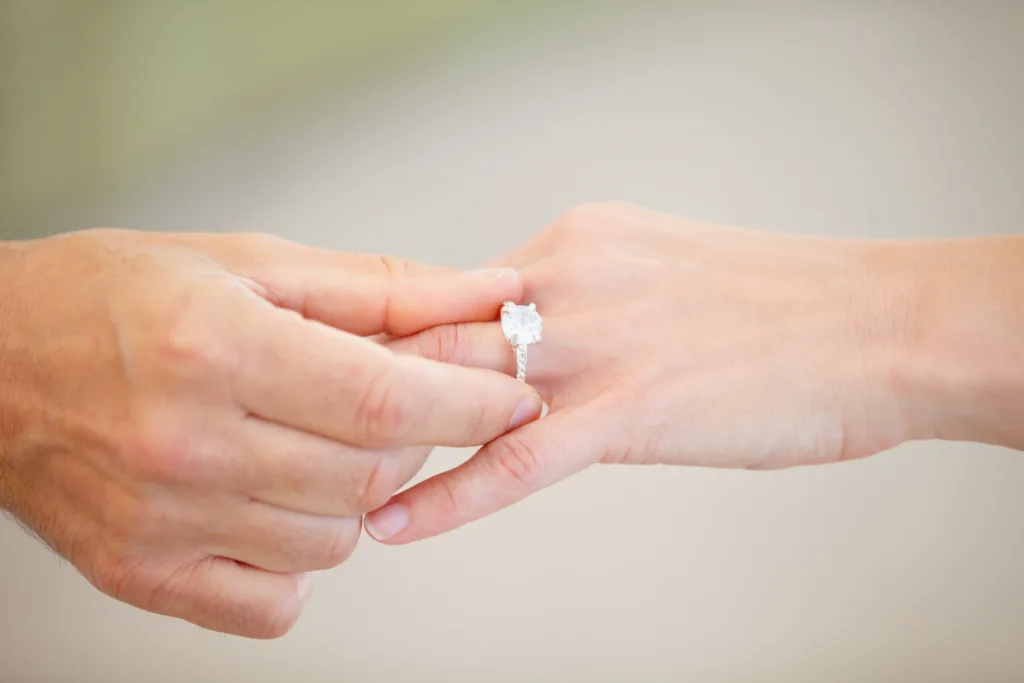
Choosing a diamond shape becomes much easier when you start with the person who will wear the ring rather than the diamond itself. Think about her existing jewellery, clothing, and the shapes she naturally gravitates toward.
A practical way to narrow it down is:
- Look at her jewellery preferences.
Does she usually wear simple and classic pieces, or does she prefer unusual designs?
- Consider the ring setting.
A solitaire, halo, pavé, or three-stone setting can change how the same diamond shape looks. If you have a specific shape and setting in mind, a Custom Engagement Ring can give you more flexibility to bring these details together.
- Think about finger proportions.
Elongated shapes such as oval, marquise, and pear can create a lengthening effect on the finger.
- Check the diamond’s proportions.
Fancy shapes do not have one universal ideal proportion. Length-to-width ratio, symmetry, and the overall outline all matter.
- Look at the actual stone.
Two diamonds with the same shape, carat weight, and grades can still look different. Whenever possible, compare them side by side.
- Consider the budget.
Shape affects how much of the diamond appears across the finger, but carat weight should not be considered on its own. Cut quality, colour, clarity, and proportions also affect the stone’s appearance and value.
If you are creating a ring from scratch, understanding the diamond itself is even more important. A useful next step is to read Aary Jewellery’s guide to Best Diamond for a Custom Ring before deciding on the centre stone.
Diamond Shape vs. Cut: Why Does the Difference Matter?
Diamond shape tells you what the stone looks like from above, while cut style describes the arrangement and proportions of its facets. This difference matters because two diamonds with a similar outline can have very different levels of brilliance and visual character.
For example, an emerald shape uses step-cut faceting, while a radiant diamond can have a similar rectangular outline but uses brilliant-style faceting. One has a quieter, mirror-like appearance; the other is designed for more sparkle.
This is also why it is better not to choose a diamond based only on its shape name.
A Simple Example: Choosing Between Round and Oval
Imagine a couple choosing a centre diamond for a solitaire engagement ring.
She likes traditional jewellery but also wants the stone to look slightly larger on her finger. A round diamond would give her the familiar classic appearance and strong brilliance. An oval diamond, however, could provide a more elongated look while still offering plenty of sparkle.
In this case, there is no objectively correct answer. If she prefers timeless design, round may win. If she likes a slightly more modern silhouette, oval could be the better fit.
At Aary Jewellery, this is the kind of decision where looking at the actual ring design matters more than simply choosing the shape that is most popular. Aary Jewellery’s current engagement ring collection includes round, oval, cushion, and pear-shaped designs, showing how different outlines can be incorporated into different settings.
Which Diamond Shape Looks Biggest?
Elongated shapes such as oval, marquise, and pear can sometimes appear larger face-up than a round diamond of the same carat weight because more of their surface area is visible from above.
However, “looks bigger” should not be confused with “is better.” A diamond that looks large but has poor proportions or noticeable light leakage may not be as attractive as a smaller stone with stronger optical performance.
The goal is to find a balance between face-up size, brilliance, proportions, and the overall ring design.
Conclusion: Choose a Diamond Shape That Fits the Ring and the Person
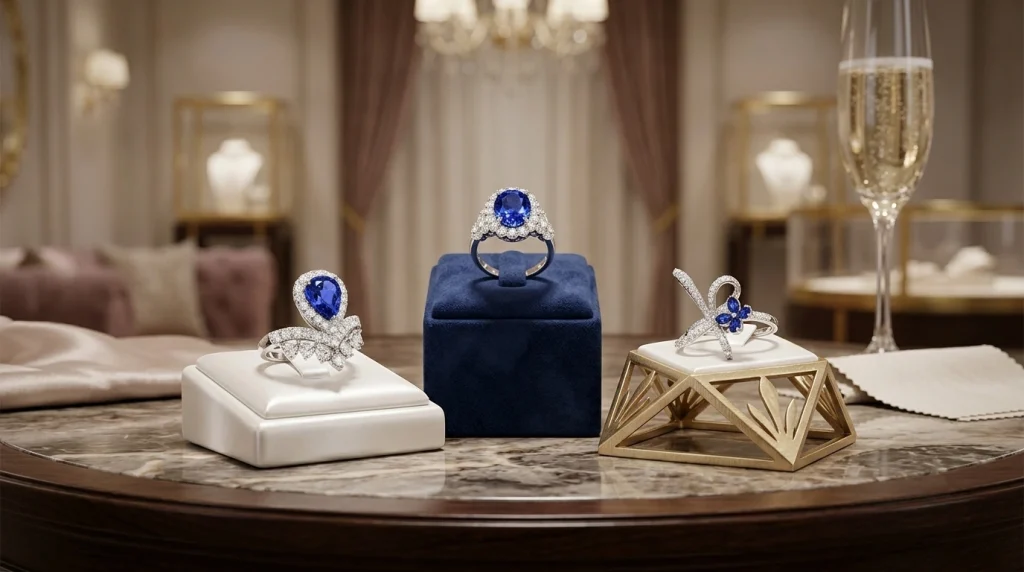
The right diamond shape for engagement ring designs is ultimately the one that fits the wearer’s style, the setting, and the way she wants the ring to look every day. Round offers a dependable classic, while oval, cushion, pear, emerald, marquise, and other shapes give couples more ways to make the ring feel personal.
Aary Jewellery combines diamond expertise with engagement ring and fine jewellery design in Singapore, including Lazare Diamond collections and bespoke jewellery options. If you are still comparing shapes, the best approach is to see different stones and settings together before making the final decision.
Explore the engagement ring and diamond jewellery collections at Aary Jewellery and find a design that feels right for your story.
FAQs (Frequently Ask Questions)
What is the best diamond shape for an engagement ring?
There is no single best diamond shape for every engagement ring. Round is a classic option with strong brilliance, while oval, cushion, pear, marquise, emerald, and other shapes offer different appearances. The best choice depends on personal style, setting, proportions, and budget.
Which diamond shape looks biggest?
Oval, marquise, and pear diamonds can have a larger-looking face-up appearance than a round diamond with the same carat weight because of their elongated outlines. However, the actual appearance depends on the stone’s proportions and cut quality.
Is round or oval better for an engagement ring?
Round is usually the safer choice for a traditional and highly brilliant appearance. Oval can be better for someone who prefers an elongated silhouette and a slightly less conventional look. Neither is universally better.
What diamond shape is best for a modern engagement ring?
Princess, radiant, oval, and emerald shapes can all work well for modern engagement rings. The setting also makes a major difference, so the diamond shape should be considered together with the band and mounting.
What is the difference between diamond shape and cut?
Shape is the diamond’s outline when viewed from above. Cut refers to the arrangement and proportions of its facets and how effectively the diamond interacts with light.