
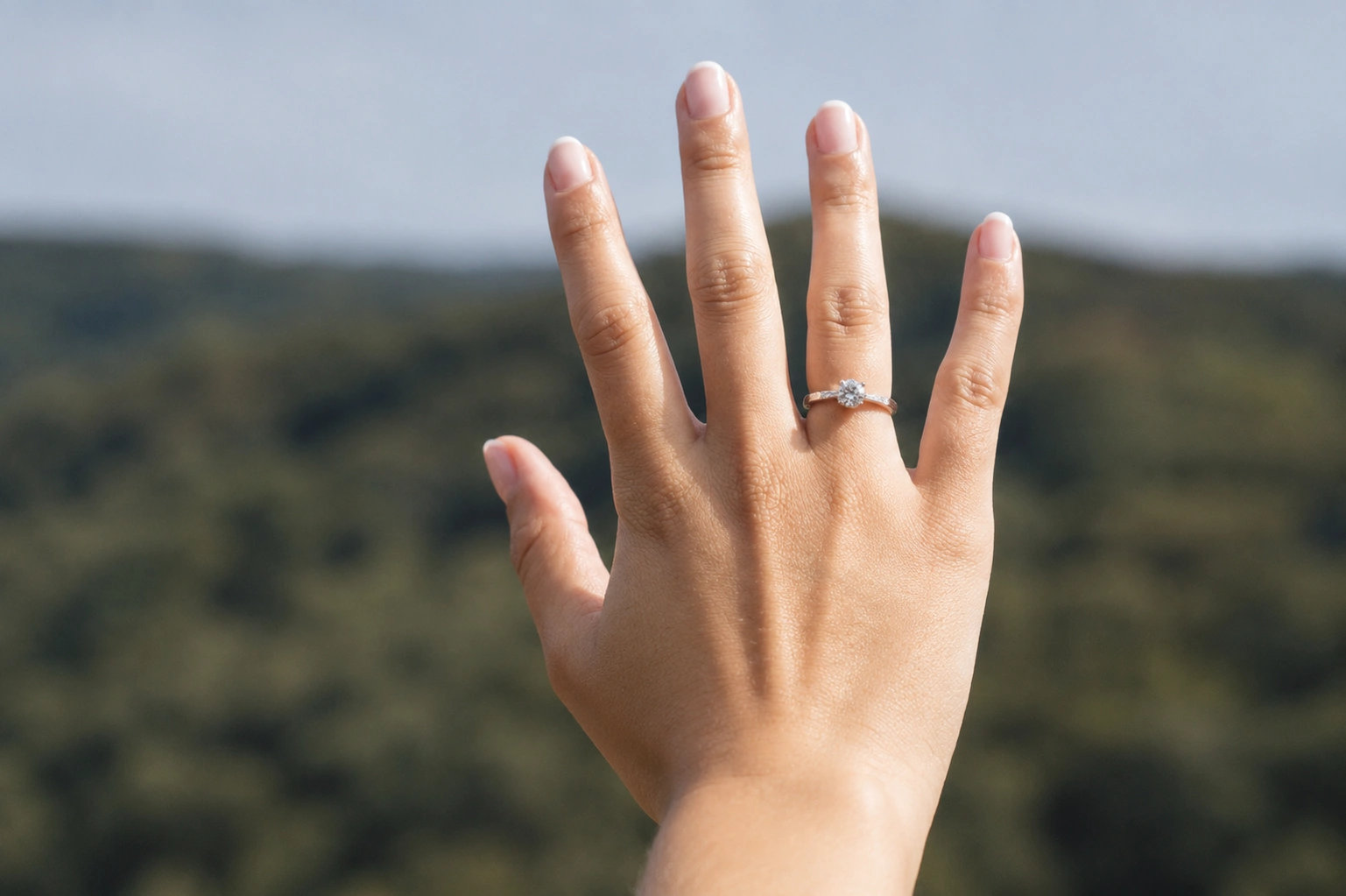
The best ring settings for a custom ring depend on the diamond shape, lifestyle, desired appearance, and level of protection you want. A solitaire can keep the design simple and focused on the centre stone, while halo, pavé, bezel, and three-stone settings create a very different look.
A ring setting is also functional. It holds the diamond in place, affects how much of the stone is visible, and influences how comfortable and practical the ring will be for everyday wear. When designing a custom ring, these details are worth considering before settling on the final design.
What Should You Consider Before Choosing a Ring Setting?
The right setting should be chosen together with the diamond shape, metal, and way the ring will be worn. GIA also recommends considering lifestyle when selecting a setting, since someone with an active routine may benefit from a lower-profile or more secure design.
Before settling on a design, consider:
- Diamond shape: Round, oval, pear, emerald, marquise, and other shapes interact differently with a setting.
- Lifestyle: Someone who works with their hands may prefer a smooth or lower-profile design.
- Desired appearance: Decide whether the centre stone should be the main focus or surrounded by additional diamonds.
- Protection: Pointed shapes such as pear, marquise, and princess diamonds need particular attention around their corners or tips.
- Metal: Platinum and gold are common choices for engagement rings, with white, yellow, and rose gold offering different visual effects.
- Wedding band compatibility: A high-profile setting may leave room for a wedding band to sit flush, while some designs can create a gap.
6 Best Ring Settings for a Custom Ring
There is no universal winner when comparing ring settings. Each style solves a slightly different design problem, so the best choice depends on what you want the finished ring to look and feel like.
| Setting | Main characteristic | Best for | Consideration |
|---|---|---|---|
| Solitaire | One centre stone | Classic, minimalist designs | Less additional sparkle |
| Halo | Small diamonds surround centre stone | More sparkle and visual size | More intricate maintenance |
| Three-stone | Centre stone with two side stones | Symbolic, balanced designs | Requires careful proportion |
| Bezel | Metal surrounds the stone | Protection and low profile | Can cover part of the stone |
| Pavé | Small diamonds set closely along the band | Continuous sparkle | Small stones need regular checking |
| Prong | Metal claws hold the centre stone | Maximum stone visibility | More exposed edges |
1. Solitaire Setting
A solitaire setting places a single centre stone at the heart of the ring. It is one of the most recognisable engagement ring styles and works particularly well when you want the diamond’s shape and brilliance to receive all the attention.
For a custom design, solitaire is useful because the rest of the ring can remain relatively simple. You can then experiment with the band width, metal colour, prong style, and diamond shape without making the design feel crowded.
A round brilliant can create a traditional look, while an oval, emerald, or pear-shaped centre stone can make the same basic setting feel more distinctive.
2. Halo Setting
A halo setting surrounds the centre stone with smaller diamonds or gemstones. The additional stones bring more sparkle and can make the centre diamond appear larger from a distance.
This can be a good choice for someone who likes a glamorous engagement ring rather than a minimalist one.
The size of the halo matters, though. A very large halo around a small centre stone can change the balance of the ring, while a more delicate halo may give the centre diamond a subtle frame.
3. Three-Stone Setting
A three-stone setting features a centre diamond flanked by two smaller stones. It is often chosen for its symbolism, with the three stones commonly associated with the past, present, and future of a relationship.
This style gives you more room to play with proportions. The side stones can match the centre stone or introduce a different shape.
For example, an oval centre diamond paired with smaller pear-shaped side stones can create a softer, more flowing outline. A round centre with tapered baguettes, on the other hand, gives the ring a more structured appearance.
4. Bezel Setting
A bezel setting uses a rim of metal around the diamond’s girdle. It provides more protection around the stone and creates a smooth profile with fewer protruding parts.
This makes bezel settings worth considering for people who are regularly active, work with their hands, or simply do not like rings that can catch on clothing.
The trade-off is that the metal surrounds part of the stone. Compared with an open prong setting, less of the diamond may be visible.
5. Pavé Setting
Pavé settings place many small diamonds closely together along the metal surface, creating the impression of a continuous line of sparkle. GIA describes pavé as a form of bead setting in which small stones are held by tiny metal beads.
Pavé works particularly well when you want the band to contribute as much visual interest as the centre stone.
However, it may not be the first choice for someone with a very active lifestyle. Small stones and their settings can require attention over time, particularly in areas exposed to frequent friction.
6. Prong Setting
Prongs are small metal supports that hold the centre stone in place. They leave more of the gemstone exposed than a bezel setting, which can help the stone receive light and remain visually prominent.
Four- and six-prong designs are common. According to GIA, a six-prong setting offers more protection if one prong breaks, while four prongs leave less metal around the stone and can make the diamond look more visually prominent.
For pointed diamond shapes, additional protection around the tips is especially important.
Which Setting Is Best for Different Diamond Shapes?
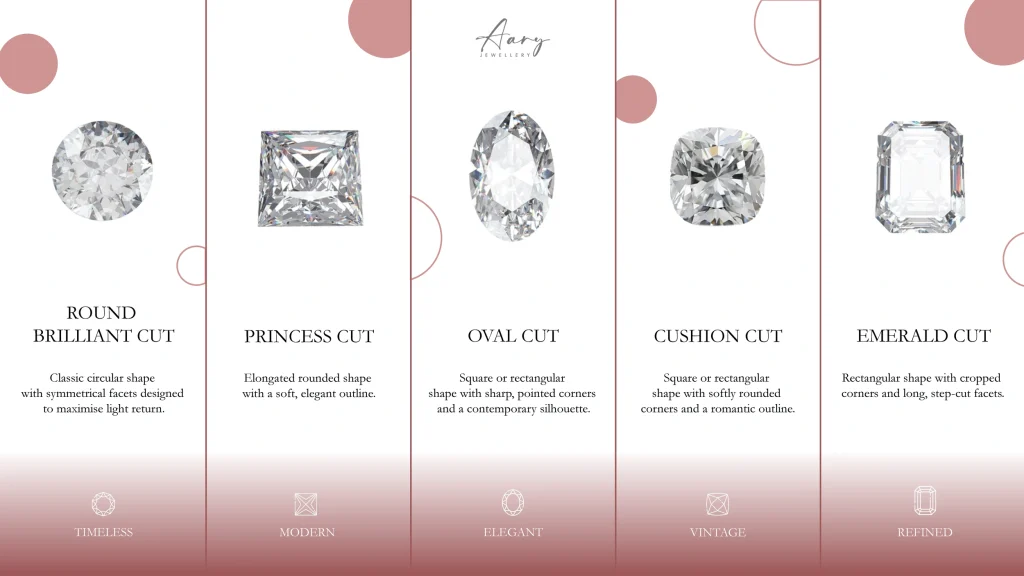
The diamond and setting should be considered as a pair. A setting that looks excellent with a round diamond may not have the same effect with an emerald or pear shape.
Some useful combinations include:
- Round: Solitaire, halo, pavé, and three-stone.
- Oval: Solitaire, halo, bezel, and three-stone.
- Pear: Solitaire, halo, and three-stone with careful tip protection.
- Emerald: Solitaire, three-stone, and bezel for a clean appearance.
- Marquise: Solitaire, halo, and east-west settings.
- Princess: Prong, halo, and bezel settings with corner protection.
GIA notes that pear and marquise diamonds have pointed areas that require protection, while princess-cut diamonds also have vulnerable corners.
How Do You Choose a Custom Ring Setting?
Choosing a setting is easier when you work through the design in a specific order rather than picking a style based only on a photograph.
- Choose the centre diamond.
Start with the shape, size, cut, colour, and clarity you want.
- Decide how prominent you want the stone to be.
A solitaire puts almost all attention on the centre stone, while a halo or pavé design adds more surrounding detail.
- Match the setting to your lifestyle.
If the ring will be worn every day, consider protection, profile, and the possibility of snagging.
- Select the metal.
White gold, yellow gold, rose gold, and platinum can give the same setting very different personalities.
- Check wedding band compatibility.
Think about whether you want the engagement ring and wedding band to sit together without a noticeable gap.
- Review the complete design before production.
For a custom ring, the proportions between the centre stone, setting, shoulders, and band need to work as one piece.
If you already know the diamond shape and setting you want, you can explore Aary Jewellery’s custom engagement ring Singapore service. This can be especially useful when you want the ring design to be built around your preferred stone, setting, and overall proportions.
A Real-World Example: Matching the Setting to the Wearer
Imagine someone wants an oval diamond but works in a profession where she uses her hands throughout the day. A tall solitaire with exposed prongs may give the diamond plenty of visual presence, but a lower-profile bezel or a more protected prong design could be more practical.
Now imagine the same oval diamond belongs to someone who mostly wants a glamorous engagement ring for special occasions. A halo with pavé on the band could make more sense because the extra diamonds add sparkle and visual scale.
The centre stone has not changed. The ring setting has changed how practical and visually appropriate the final design becomes.
This is why a custom ring should be designed around the person wearing it, rather than simply copying a ring seen online.
Why Does the Ring Setting Matter So Much?
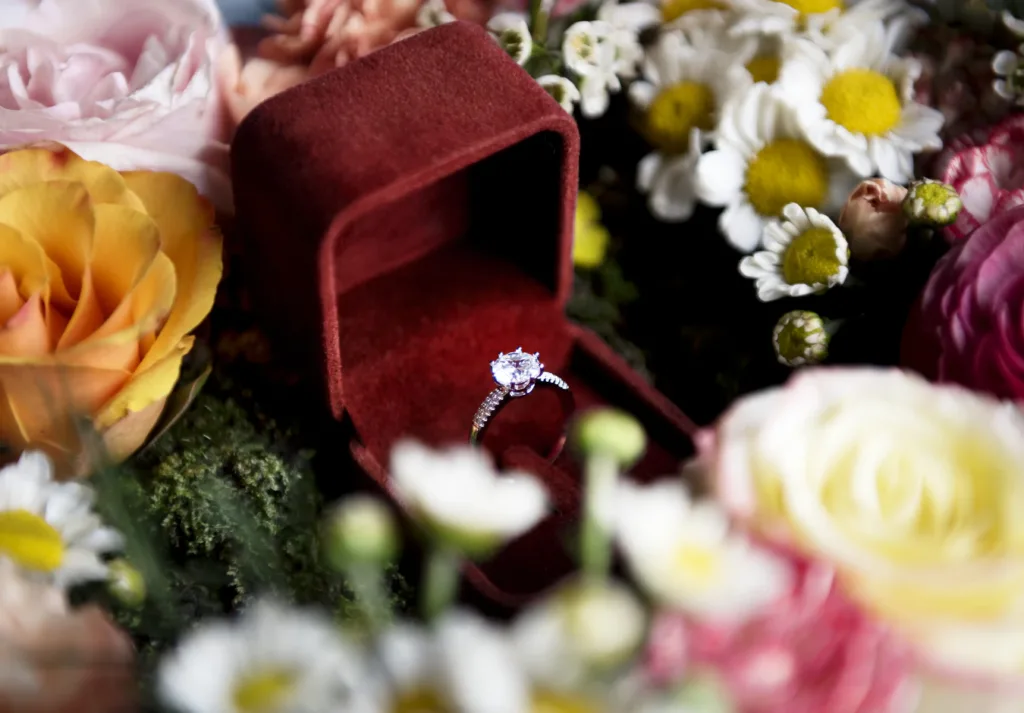
The setting affects both the appearance and function of a custom ring. It holds the gemstone in place, influences how much of the stone can be seen, and can either protect or expose certain parts of the diamond.
It can also change the perceived size of the centre diamond. GIA notes that halo and pavé designs can create an illusion of greater size, while bulky prongs or a thick band can make the centre stone appear less prominent.
For this reason, setting selection should happen alongside diamond selection rather than as an afterthought.
Conclusion: Find the Right Setting for Your Custom Ring
The best ring settings for a custom ring are not determined by trends alone. The right choice brings together the diamond shape, protection, proportions, metal, lifestyle, and the overall look you want from the finished piece.
Aary Jewellery specialises in bespoke diamond jewellery and engagement rings, giving you the opportunity to consider these details as part of one complete design.
If you’re ready to turn an idea into a ring designed around your preferences, explore Aary Jewellery and discover its bespoke jewellery and engagement ring collections.
FAQs (Frequently Ask Questions)
What is the best setting for a custom engagement ring?
The best setting depends on the diamond, lifestyle, and desired appearance. Solitaire is a strong choice for a classic look, while halo and pavé suit those who want more sparkle. Bezel settings are worth considering when protection and a smooth profile are priorities.
What setting makes a diamond look bigger?
Halo settings can make the centre diamond appear larger because smaller diamonds surround its outline. Pavé can also add visual impact to the ring. However, the effect depends on the proportions of the centre stone and surrounding diamonds.
Is a bezel or prong setting better?
Neither is universally better. A bezel provides more coverage and protection around the stone, while prongs expose more of the diamond and can allow more light into it. The better choice depends on lifestyle, diamond shape, and the look you want.
What is the safest setting for an active lifestyle?
A bezel setting is often a practical choice for active wear because the metal surrounds the diamond and creates a smooth profile. A secure prong design can also work, provided the stone and its vulnerable areas are properly protected.
Can any diamond shape be used with a custom setting?
Many diamond shapes can be incorporated into custom settings, but the design needs to be made around the stone’s dimensions and vulnerable areas. Pear, marquise, and princess shapes, for example, require particular attention to their points or corners.