

Diamond ring maintenance is about more than keeping a diamond shiny. Regular cleaning, proper storage, careful handling, and professional checks can help protect both the stone and the setting from everyday wear.
A diamond is one of the hardest natural materials, but that does not make a ring completely resistant to damage. The diamond can still chip from a hard impact, while the prongs and metal setting can become loose or worn over time. This is why regular diamond ring maintenance is worth making part of your jewellery care routine.
1. Clean Your Diamond Ring Regularly
Regular cleaning is one of the simplest parts of diamond ring maintenance. Oils from your skin, lotion, soap and everyday dust can collect around the diamond and setting, making the stone look less brilliant.
For most diamond rings, you can clean them at home with a few basic items:
- Warm water
- Mild dish soap
- A soft toothbrush
- A soft, lint-free cloth
Mix the mild soap with warm water and let the ring sit for a short time. Then, gently brush around the diamond, especially underneath the stone and around the setting where dirt tends to collect.
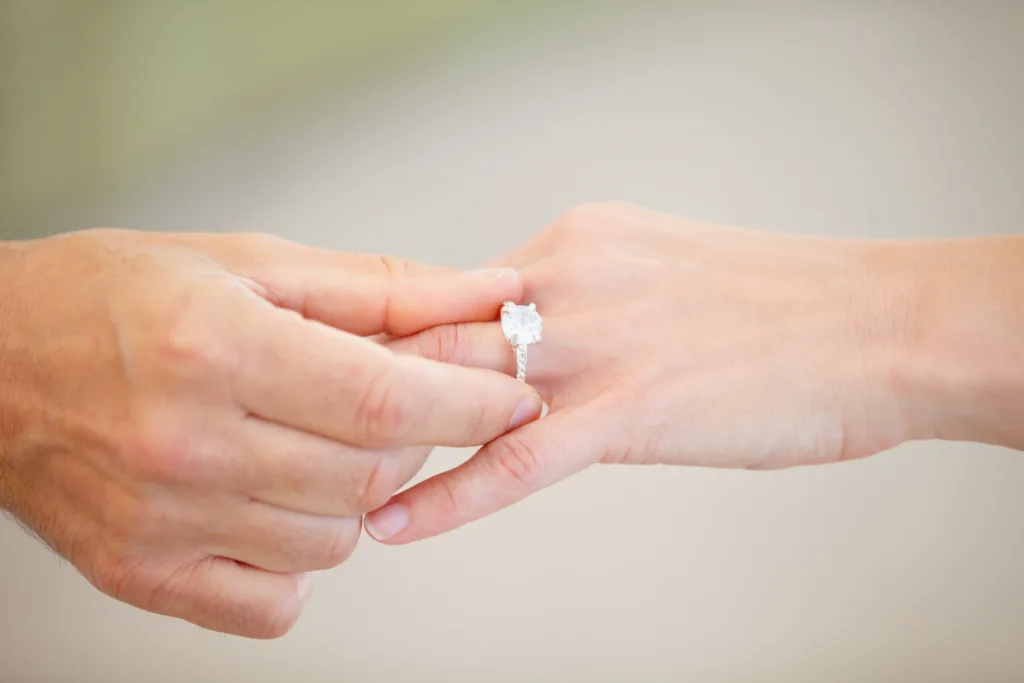
Rinse the ring carefully and dry it with a soft cloth.
There is no need to scrub aggressively. A gentle approach is usually better for both the stone and the metal.
2. Avoid Harsh Chemicals and Abrasive Cleaners
Not every household cleaning product is suitable for jewellery. Bleach, chlorine and abrasive cleaning products can affect certain metals or finishes used in jewellery.
As part of proper diamond ring maintenance, avoid cleaning your ring with:
- Bleach
- Chlorine-based products
- Abrasive powders
- Toothpaste
- Strong household cleaners
- Rough brushes
Toothpaste is sometimes suggested as a quick jewellery cleaner, but it contains abrasive particles that can scratch or wear the metal.
If you are unsure about the right cleaning method, especially for an older ring or one with treated gemstones, ask a jeweller before using a stronger cleaning method.
3. Remove Your Ring During Risky Activities
A diamond ring may be made for everyday wear, but that does not mean it needs to stay on your finger for every activity.
Taking the ring off before certain activities reduces the chance of damaging the diamond, setting or metal. This is especially useful for engagement rings that are worn almost constantly.
Consider removing your ring when:
- Exercising or playing sports
- Gardening
- Swimming
- Cleaning the house
- Doing heavy manual work
- Moving furniture or carrying heavy objects
Chlorinated swimming pools are another reason to leave jewellery at home. Frequent exposure to chemicals is simply unnecessary when the ring can be stored safely for a while.
A small habit like this can make a difference over years of wear and is one of the easier diamond ring maintenance steps to follow.
4. Check the Diamond Setting and Prongs
Cleaning keeps the ring looking good, but it does not tell you whether the diamond is still secure. The setting should also be checked from time to time.
Prongs are the small metal parts that hold the diamond in place. If one becomes bent, worn or loose, the diamond may become unstable.
Watch for signs such as:
- The diamond moves when you touch it.
- A prong looks shorter or bent.
- The ring catches on clothing.
- The diamond appears uneven in its setting.
- You hear or feel a slight movement from the stone.
GIA recommends having engagement ring prongs checked about every six months. This is particularly relevant for rings worn every day.
In our experience, small setting problems are much easier to deal with when they are noticed early. Waiting until a stone falls out can turn a simple inspection into a much more serious repair.
Regular inspection is therefore an important part of diamond ring maintenance, even when the ring still looks perfectly fine.
5. Store Your Ring Separately
Proper storage is another part of diamond ring maintenance that is easy to overlook.
Diamonds can scratch other diamonds, while jewellery with different levels of hardness can also become scratched when pieces are stored together. A ring can also get caught against another piece and damage its setting.
When you are not wearing your ring:
- Place it in a soft jewellery pouch or individual compartment.
- Keep it away from other diamond jewellery.
- Avoid leaving it loose in a drawer.
- Use a protective jewellery case when travelling.
- Keep the storage area dry and away from unnecessary heat or moisture.
If you own several pieces of jewellery, individual compartments are useful because they reduce contact between the pieces.
6. Get Professional Cleaning and Inspection
Home cleaning is useful for everyday care, but it cannot replace a professional inspection. Good diamond ring maintenance should include professional attention from time to time, especially for a ring that is worn every day.
A jeweller can look more closely at the setting, prongs, metal and stone. They can also identify issues that may not be obvious when you simply look at the ring yourself.
Professional maintenance may include:
- Deep cleaning
- Checking the diamond setting
- Inspecting prongs
- Checking the condition of the metal
- Polishing the ring
- Tightening loose stones
- Resizing when necessary
How often the ring needs professional attention depends on how frequently it is worn and its design. A ring with a more detailed setting may collect more dirt and require closer attention.
If the ring has suffered a strong impact, it is also worth having it checked even if there is no visible damage.
Regular professional checks are an important part of diamond ring maintenance, especially for rings worn every day.
7. Choose a Ring Design That Suits Your Lifestyle
Good diamond ring maintenance starts before you even own the ring. The design and setting can influence how practical it is for everyday use.
For example, someone who works with their hands every day may want to consider a setting that does not have too many exposed details. Someone who prefers a more decorative design may be willing to spend a little more time cleaning and checking the ring.
This is one reason it helps to discuss your lifestyle when choosing an engagement ring.
If you are considering a ring made specifically around your preferences, explore a bespoke engagement ring in Singapore. Bespoke jewellery allows details such as the diamond, setting and overall design to be considered together rather than choosing everything separately.
Aary Jewellery specialises in diamond jewellery and bespoke designs, so practical considerations around wear and care can be discussed alongside the appearance of the ring.
For those who want to compare different designs, you can also browse the engagement ring collection to see different styles and settings.
Diamond Ring Maintenance: What Should You Do and Avoid?
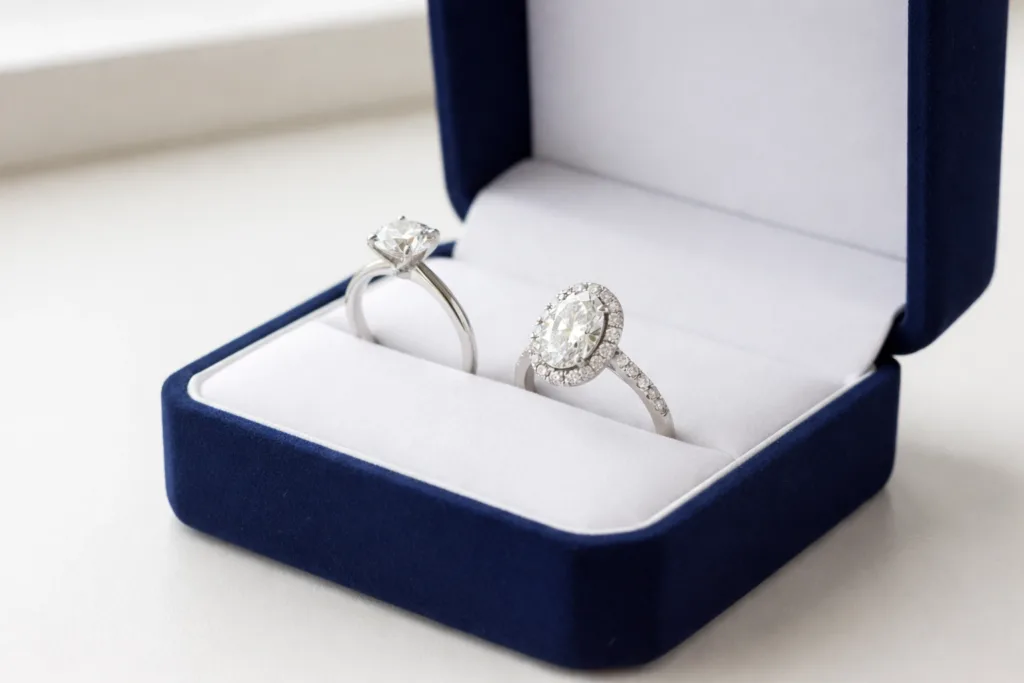
The main diamond ring maintenance habits are fairly simple once you get used to them. Following the right routine can help reduce unnecessary wear and make it easier to notice small problems before they become serious.
| Do | Avoid |
|---|---|
| Clean with mild soap and warm water | Using bleach or harsh chemicals |
| Use a soft toothbrush | Scrubbing with abrasive materials |
| Store the ring separately | Throwing jewellery together in one box |
| Check for loose stones | Ignoring a moving diamond |
| Remove it during heavy activities | Wearing it during manual work |
| Have the setting inspected | Waiting until a stone falls out |
The goal is not to constantly worry about your ring. It is simply to develop a few habits that reduce unnecessary wear. With consistent diamond ring maintenance, a well-cared-for ring can remain part of your everyday jewellery collection for many years.
A Real-World Example of Everyday Ring Care
Consider someone who wears their engagement ring every day and also goes to the gym several times a week. The ring may look perfectly fine for months, but repeated contact with gym equipment can put pressure on the setting.
One day, the wearer notices that the ring catches on a piece of clothing. Instead of ignoring it, they have the ring inspected and discover that one prong has become slightly worn.
The problem can be addressed before the diamond becomes loose.
This is a good example of why diamond ring maintenance is not just about cleaning. Looking after the setting is equally important.
Conclusion: Keep Your Diamond Ring Sparkling for Years
Good diamond ring maintenance does not require complicated equipment or a lot of time. Regular gentle cleaning, careful storage, avoiding harsh chemicals and risky activities, and checking the setting can help keep the ring in good condition.
A diamond ring often carries more meaning than its material value. Whether it marks an engagement, anniversary or another important moment, taking care of it helps preserve the piece for years to come.
Making diamond ring maintenance part of your regular jewellery care routine can help you notice small issues before they become more serious.
For diamond jewellery, engagement rings and bespoke designs in Singapore, visit Aary Jewellery to explore the available collections and jewellery services.
FAQs (Frequently Ask Questions)
How often should I clean my diamond ring?
If you wear your ring every day, clean it regularly when you notice oil, dirt or residue building up. Gentle home cleaning is usually enough for routine diamond ring maintenance, while professional cleaning can provide a deeper clean.
Can I wear my diamond ring every day?
Yes, many diamond rings are designed for regular wear. However, it is better to remove the ring during activities such as sports, gardening, swimming, cleaning and heavy manual work.
How often should I check my diamond ring prongs?
GIA recommends checking engagement ring prongs about every six months. You should also have the ring inspected after a significant impact or if you notice that the diamond feels loose.
Can I clean my diamond ring with toothpaste?
It is better to avoid toothpaste. Its abrasive ingredients may scratch or wear the metal. Mild soap, warm water and a soft brush are a safer option for basic home cleaning.
What should I do if my diamond feels loose?
Stop wearing the ring and have it inspected by a professional jeweller. Continuing to wear a ring with a loose stone could increase the chance of losing the diamond.