
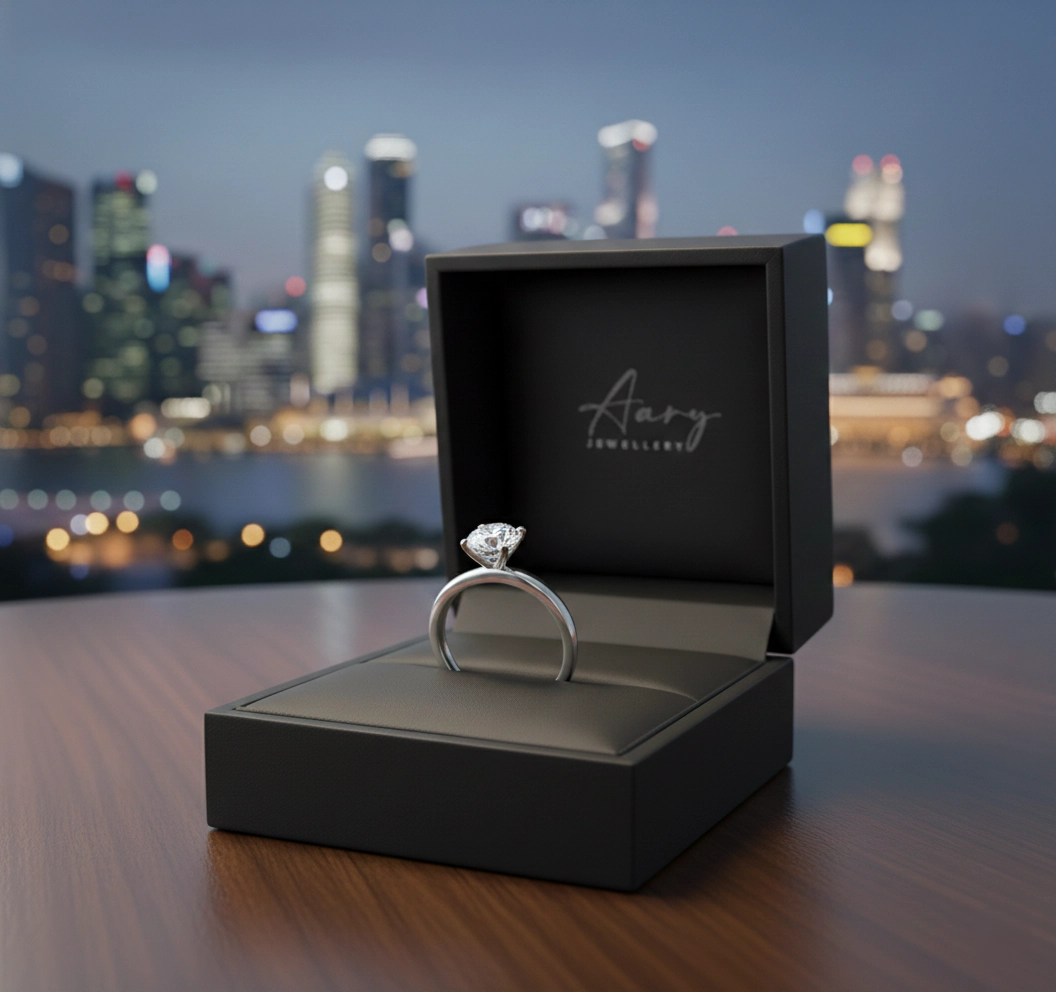
Overview: What Is Engagement Ring Material Comparison?
Engagement ring material comparison is the process of evaluating different metals used in engagement rings-such as gold, platinum, and alternative alloys, based on durability, appearance, cost, maintenance, and lifestyle suitability.
For most people, the ring itself is not just jewellery. It becomes something you wear every day, sometimes without even thinking about it. That’s why the metal matters more than many realise. A ring that looks stunning on day one but scratches too easily, or feels too heavy after long hours, may not be the best choice in the long run.
At Aary Jewellery, this comparison is something we guide couples through almost daily, especially those choosing an engagement ring for the first time.
Why Engagement Ring Material Matters More Than You Think
Before jumping into diamond cuts or settings, the metal quietly does a lot of work behind the scenes.
- It holds the diamond securely
- It affects how bright the stone looks
- It determines long-term comfort and wear
- It influences maintenance and repair costs
One thing that’s often forgotten is fit. Even the best material won’t feel right if the ring size is off. That’s why many couples also take time to understand proper sizing using a trusted local reference like this ring size guide in Singapore before finalising their choice.
Common Materials Used in Engagement Rings
Gold
Gold has been used in jewellery for thousands of years, and honestly, there’s a reason it never really goes out of style.
Types of Gold Used
- Yellow Gold – classic, warm, traditional
- White Gold – modern look, often paired with diamonds
- Rose Gold – subtle pink tone, increasingly popular
Gold purity is measured in karats:
- 24K (pure, but too soft for rings)
- 18K (75% gold, strong balance)
- 14K (more durable, slightly less rich in color)
Pros
- Timeless appeal
- Easy to resize and repair
- Wide price range
Cons
- Softer than platinum
- White gold requires rhodium replating over time
Platinum
Platinum is often seen as the “premium” option, and not without reason.
It’s naturally white, dense, and extremely durable. Unlike white gold, it doesn’t lose its color over time.
Pros
- Very strong and long-lasting
- Naturally hypoallergenic
- Develops a soft patina instead of losing metal
Cons
- Higher upfront cost
- Heavier feel on the finger
At Aary Jewellery, platinum is frequently recommended for those who are active or want a ring that can last decades with minimal worry.
Palladium
Palladium is part of the platinum family but is less commonly talked about.
Pros
- Lighter than platinum
- Naturally white
- More affordable than platinum
Cons
- Harder to resize
- Less widely available
It’s a good middle-ground option, though not every jeweller works with it regularly.
Alternative Metals
These metals are more common in men’s bands but sometimes appear in engagement rings too.
Pros
- Extremely scratch resistant
- Budget-friendly
Cons
- Cannot be resized
- Limited design options
Because of this, we usually don’t recommend them for traditional engagement rings.
Engagement Ring Material Comparison Table
| Material | Durability | Maintenance | Price Range | Resizing | Best For |
|---|---|---|---|---|---|
| 18K Gold | Medium | Medium | $$ | Easy | Classic styles |
| 14K Gold | High | Medium | $$ | Easy | Daily wear |
| Platinum | Very High | Low | $$$$ | Limited | Long-term durability |
| Palladium | High | Low | $$$ | Limited | Lightweight rings |
| Titanium | Very High | Very Low | $ | No | Minimalist use |
How Lifestyle Affects Material Choice
This part often gets overlooked.
If you:
- Work with your hands
- Travel frequently
- Rarely remove jewellery
Then durability should matter more than color or trend.
Simple rule of thumb:
- Active lifestyle → Platinum or 14K gold
- Office-based lifestyle → 18K gold or platinum
- Sensitive skin → Platinum or palladium
Real-World Insight from the Jewellery Industry
According to industry data from global jewellery retailers, over 60% of engagement rings sold in Asia-Pacific markets are either platinum or white gold, reflecting a preference for neutral-toned metals that enhance diamond brilliance.
At Aary Jewellery, we’ve noticed a steady rise in platinum engagement rings over the past few years, especially among couples prioritizing longevity over initial price.
Common Mistakes When Comparing Ring Materials
- Choosing based on trend, not lifestyle
- Ignoring long-term maintenance
- Assuming heavier always means better
- Forgetting about skin sensitivity
These mistakes are more common than people admit.
Pro Tips Before You Decide
- Try different metals on your finger, not just in photos
- Ask about long-term care costs
- Think 10 years ahead, not just proposal day
- Match the metal with your partner’s daily habits
Sometimes the “less flashy” choice is actually the smarter one.
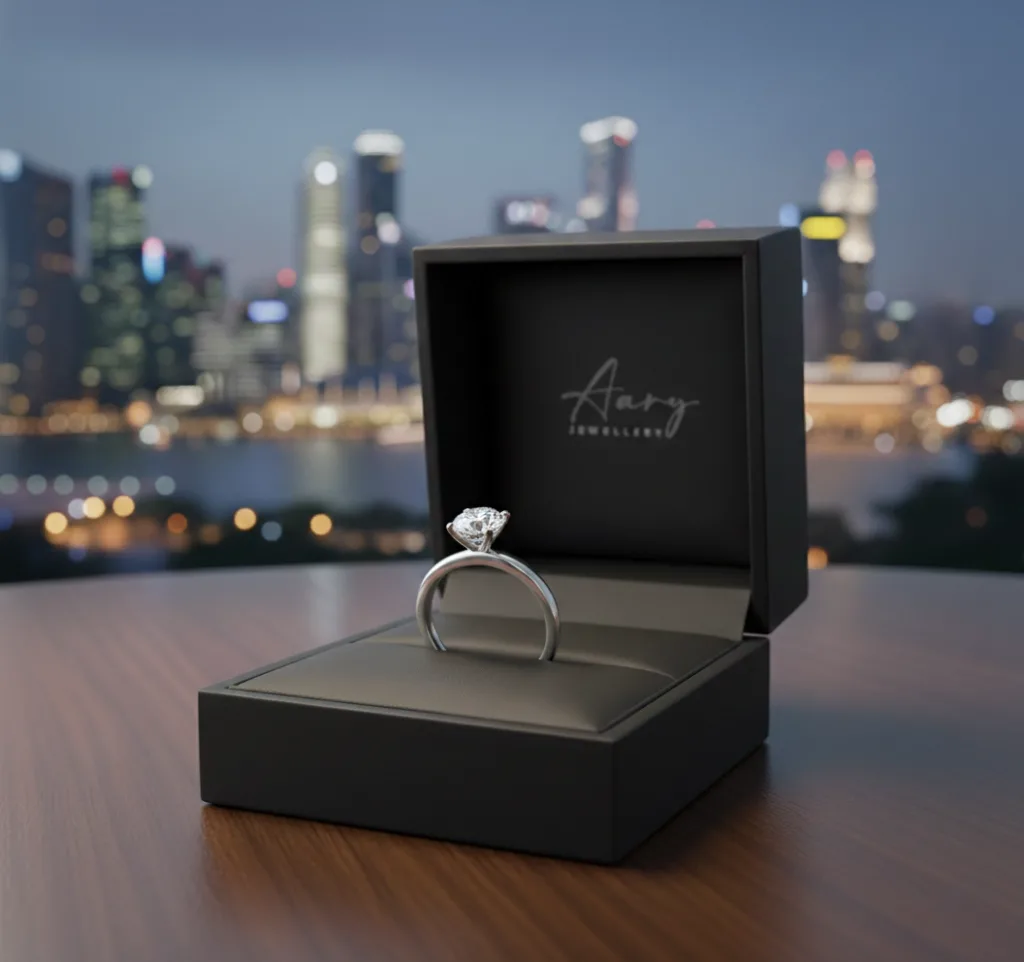
Conclusion: Find Your Ideal Engagement Ring with Aary Jewellery
Choosing the right engagement ring material is not about following trends. It’s about finding a balance between beauty, comfort, and durability that fits your life, not just your proposal moment.
At Aary Jewellery, our expertise lies in guiding couples through detailed engagement ring material comparison, diamond selection, and long-term care considerations. Every ring consultation is personal, practical, and honest, because a ring meant for a lifetime deserves that level of care.
If you’re unsure which metal suits you best, explore our collections or speak with our jewellery specialists directly at Aary Jewellery. Seeing and feeling the materials in person often makes the decision clearer than any guide ever could.
Final Pro Tip: Don’t rush the metal choice. The right one quietly supports your story for years, without asking for attention.
FAQs (Frequently Asked Questions)
What is the best engagement ring material for everyday wear?
Platinum and 14K gold are generally best for daily wear due to strength and durability.
Is platinum really worth the higher price?
For long-term wear, yes. It doesn’t wear away like gold and holds diamonds very securely.
Does white gold turn yellow over time?
Yes, slightly. White gold is usually plated with rhodium, which wears off and needs re-plating.
Which material makes diamonds look bigger?
White metals like platinum and white gold reflect more light, making diamonds appear brighter and sometimes larger.
Can engagement ring material affect resale value?
Yes. Platinum and higher-karat gold usually retain value better than alternative metals.